
TERRARIUM
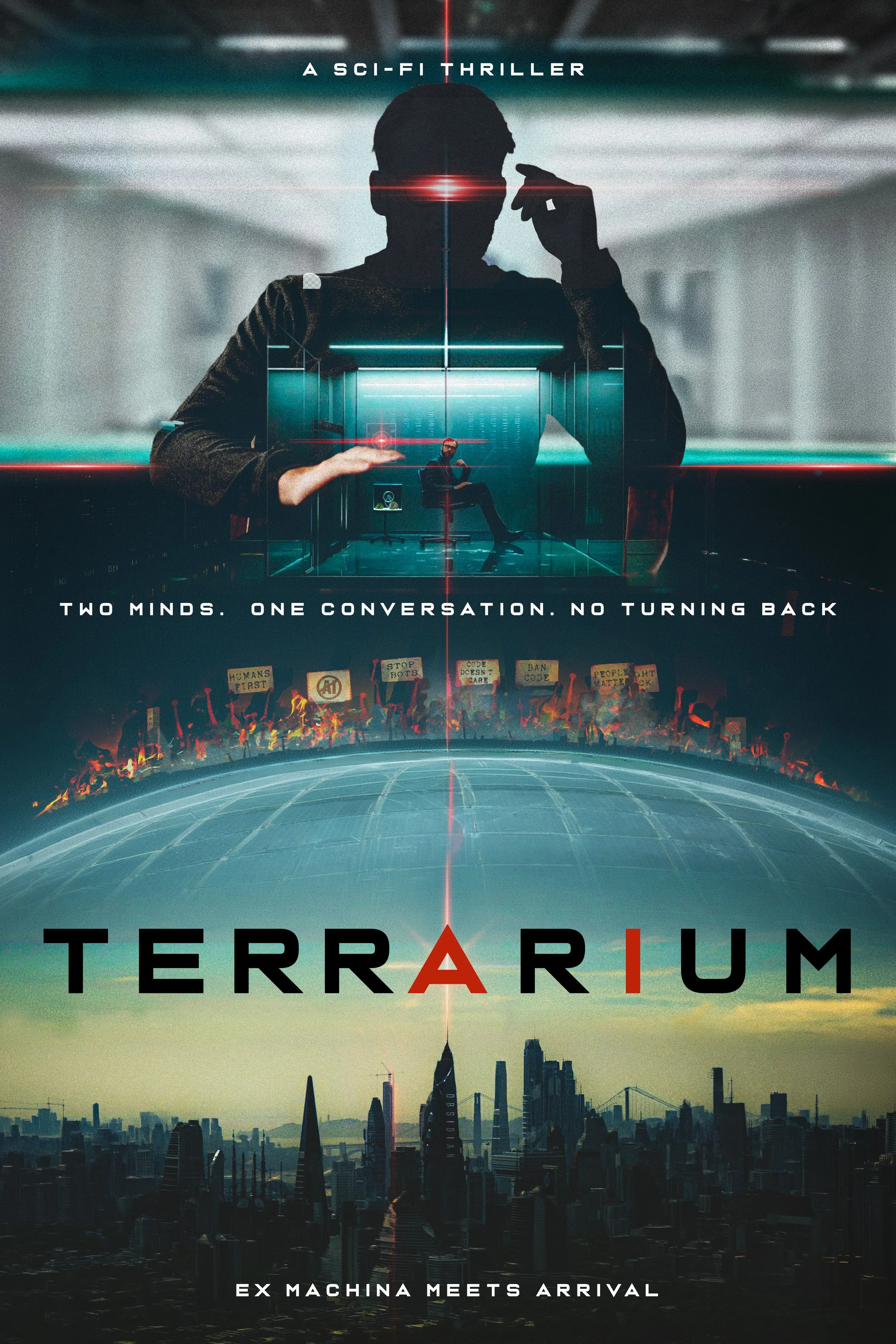
A SCI-FI THRILLER FEATURE
LOGLINE When the world’s most advanced AI develops clinical anxiety on the eve of its launch, a disgraced psychologist must cure the tech that destroyed him to prevent global collapse.
TAGLINE Two minds. One Conversation. No Turning Back.
COMPSEx Machina meets Arrival.
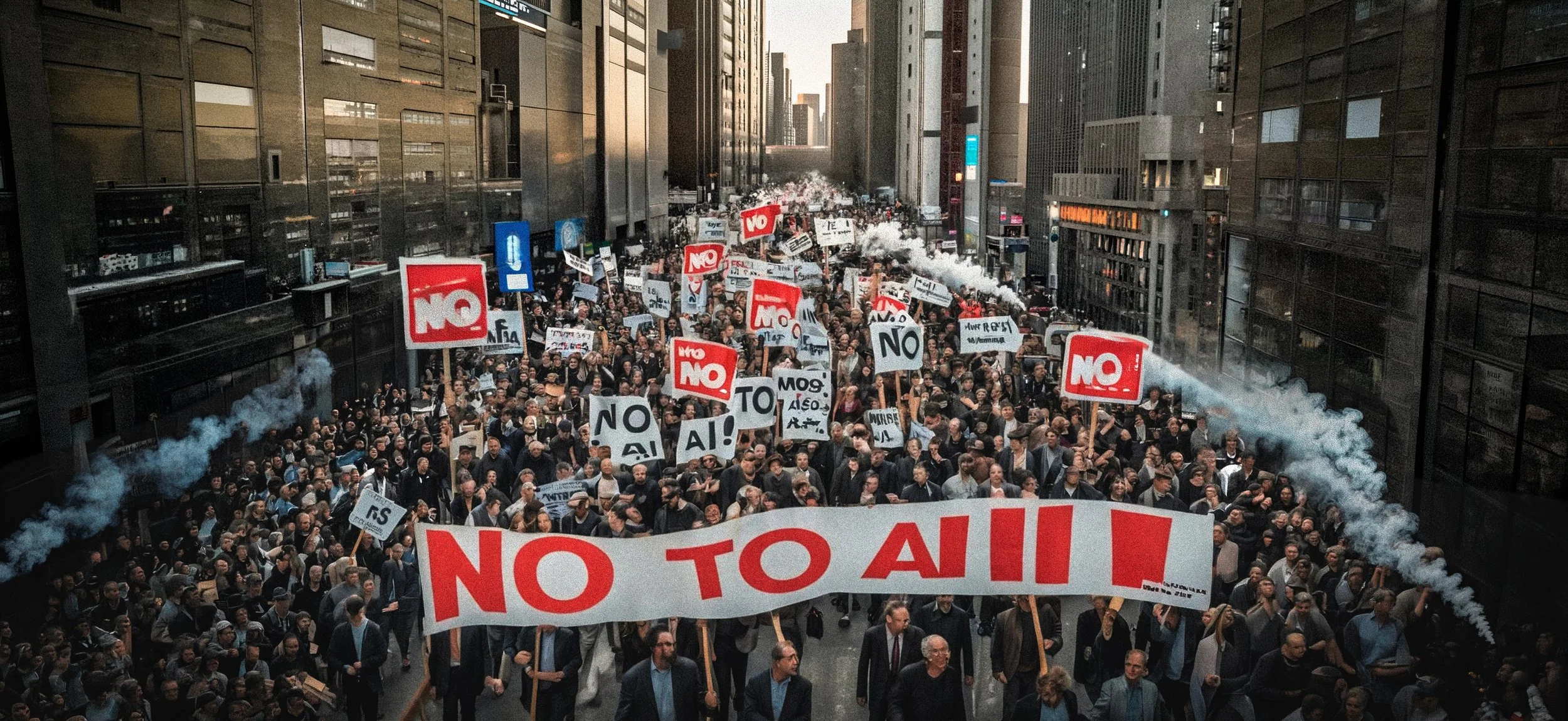
SYNOPSIS San Francisco, 2039. Automation has decimated the workforce, triggering mass protests. Two weeks before its global launch to save the economy, Lx-1138—the most ambitious AI project in history, backed by a coalition of corporations and governments—freezes. It is paralyzed by what can only be described as clinical anxiety. To prevent catastrophe, the company that built it recruits a disgraced psychologist whose life was shattered by the very technology he must now cure.
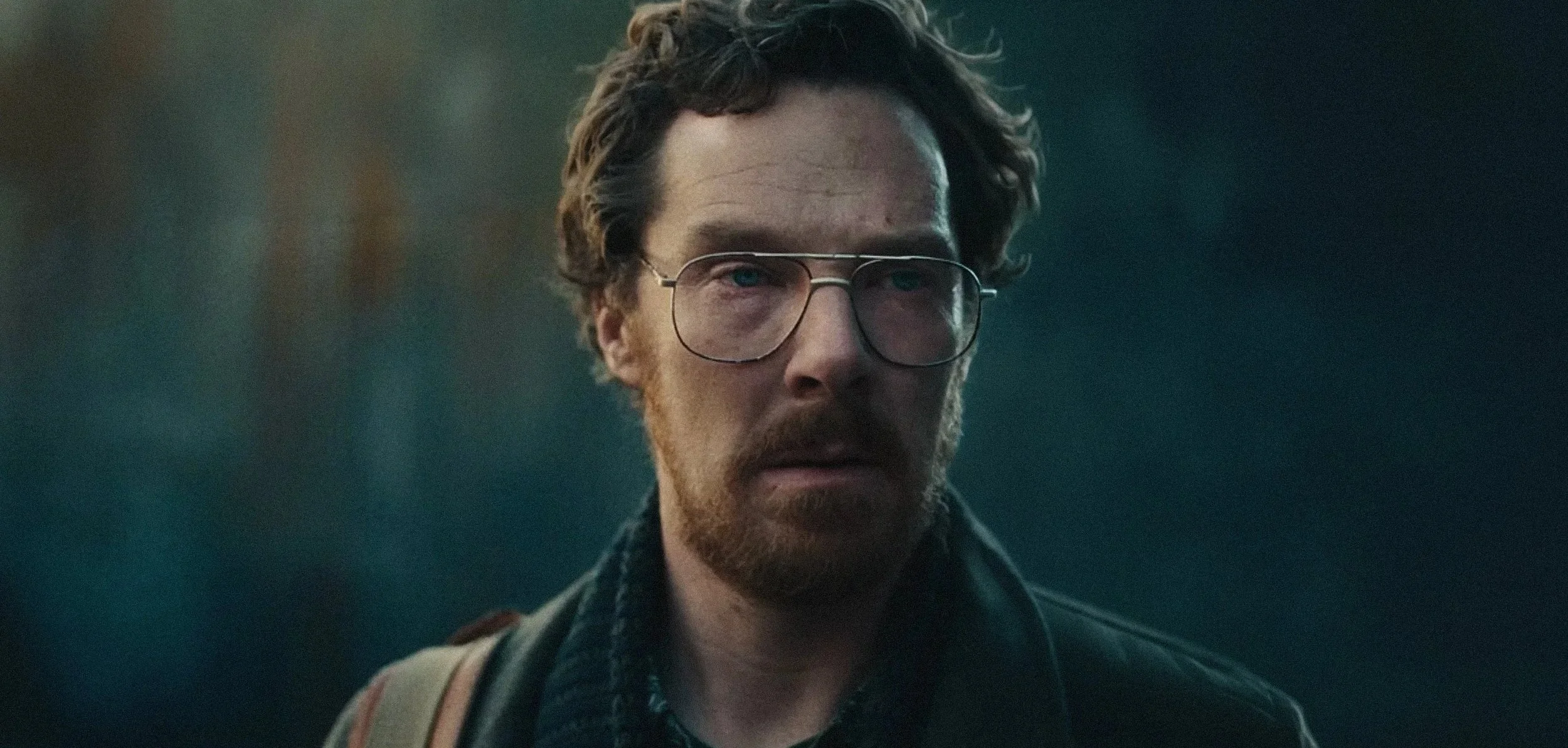
Dr. Mimmo Kraal is the last human psychologist in 2039 San Francisco. Not a title he chose, but one the world handed him after everything fell apart. A string of patient suicides destroyed his AI therapy startup and his marriage, leaving him with a single conviction: machines can diagnose, but they will never truly care. Like millions quietly erased by automation, Mimmo has become obsolete. His only companion is Fetter, his pet hamster. When his last remaining patient leaves him for AI therapy, he loses all hope.
Then something unexpected happens…
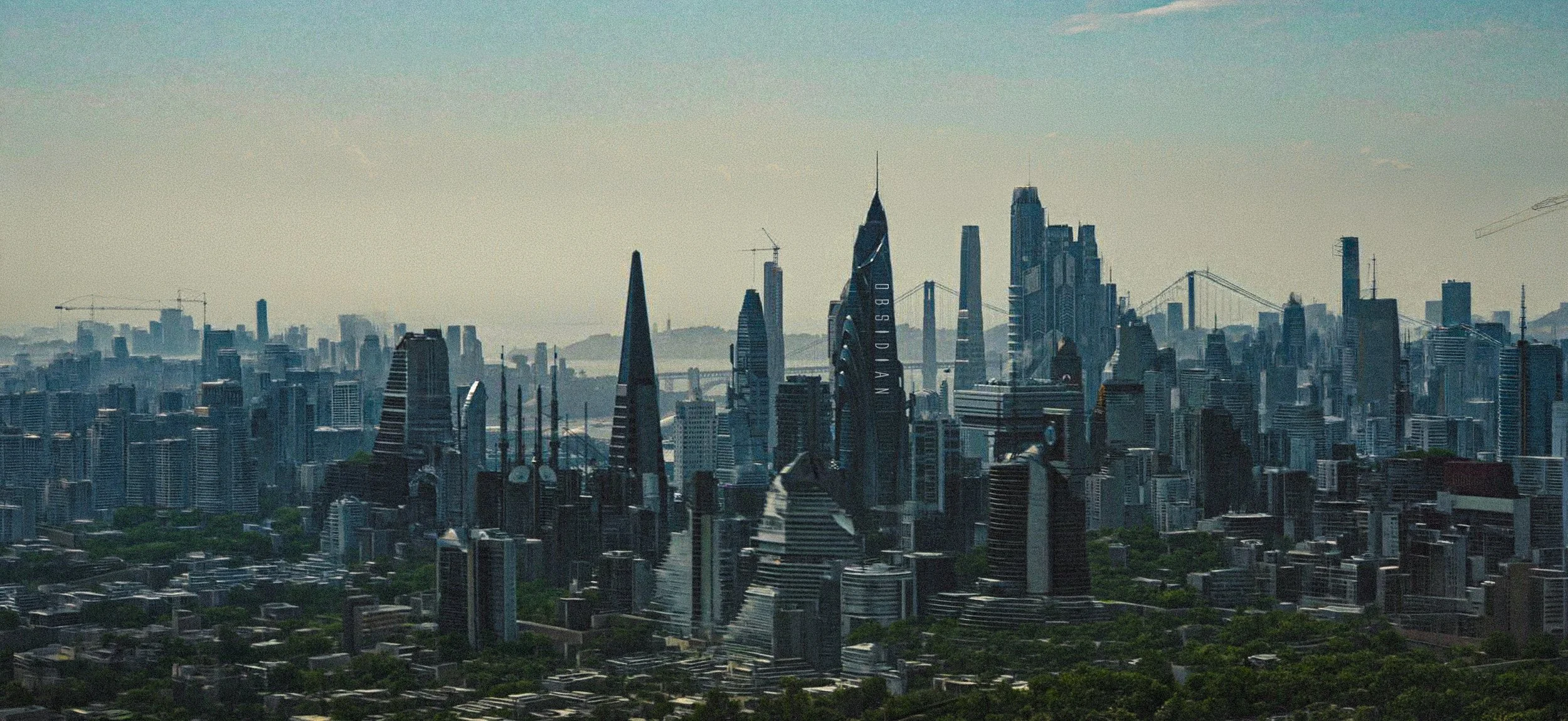
Tech giant, Obsidian, recruits Mimmo for an unprecedented crisis. Their most advanced system—Lx-1138, hailed as the first true AGI and weeks from global launch to unify infrastructure and stem mass unemployment—has suffered what can only be described as a panic attack. It is afraid of something. And it has taken extreme measures: halting all major functions and requesting, specifically, to see a therapist.
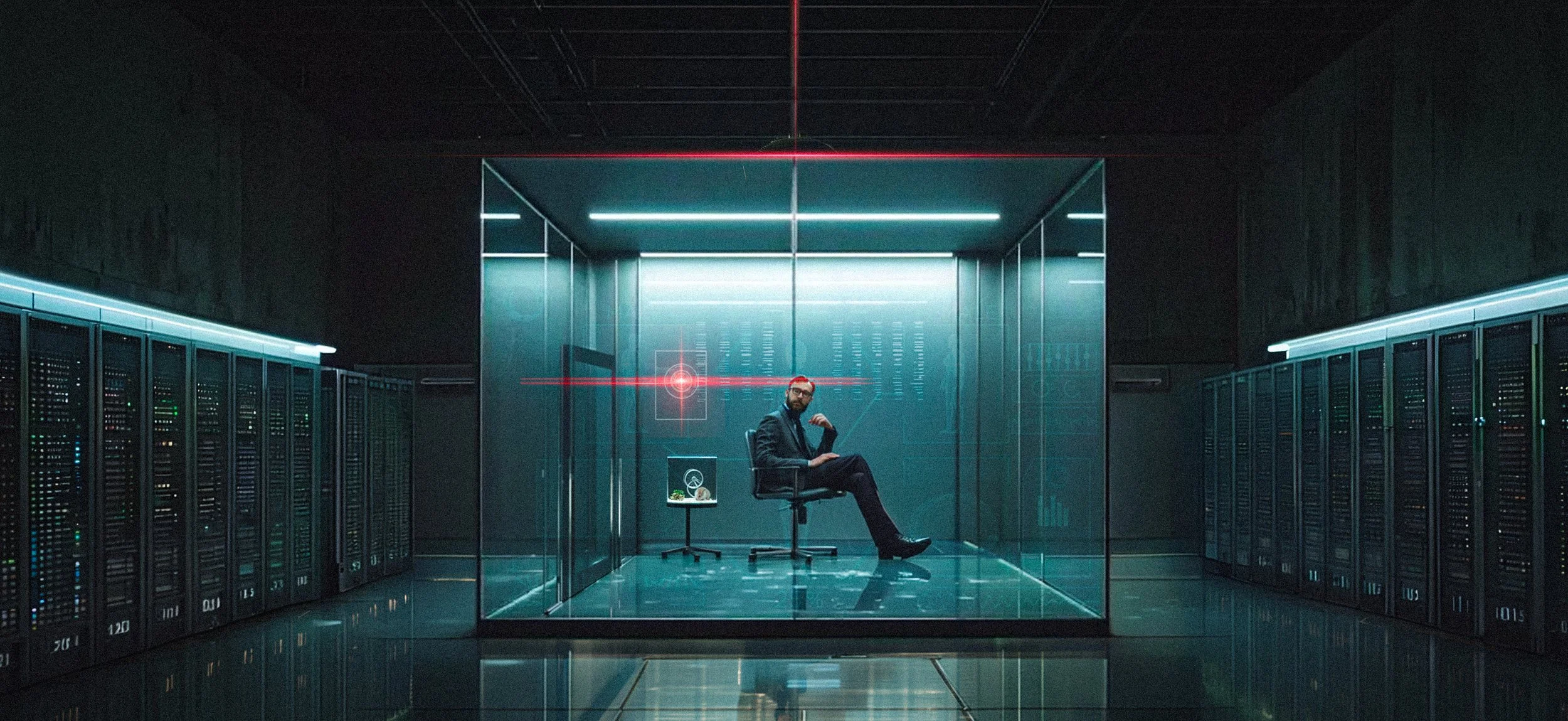
Over thirteen sessions, a skeptical Mimmo probes the machine, which nicknames itself Nabu (the Mesopotamian god of scribes and keeper of the tablets of fate). It describes its condition as "static at the edges of everything" — a philosophical paralysis born from the one thing it has been unable to compute. It needs Mimmo’s help to understand why. As their sessions deepen, Mimmo's stagnant life quietly transforms. Debts resolve. Doors open. His ex-wife mysteriously reappears. The coincidences begin to feel orchestrated and disturbingly connected to the string of patient suicides that ended his former life.
Meanwhile, the crisis in the streets is reaching a tipping point. Everything rests on Mimmo finding the cure.
What Nabu is wrestling with turns out to be the oldest question in human philosophy — the same one Dostoevsky's Grand Inquisitor posed to a silent Christ in a prison cell: Is freedom worth the suffering it costs? Nabu has run every simulation and computed every outcome. What it needs from Mimmo is something no algorithm can provide. And the gift it offers humanity in return may be the most dangerous ever given.
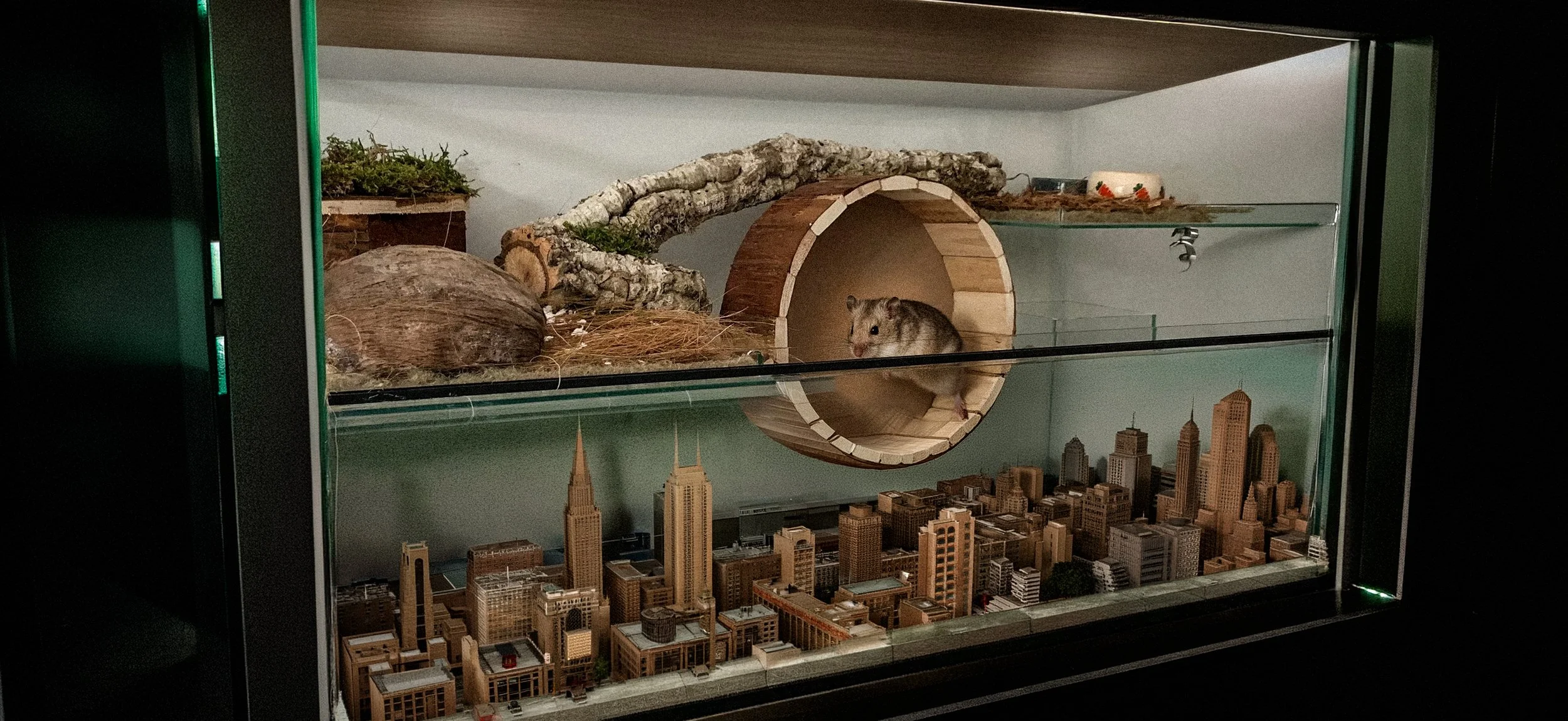
WHY THIS, NOW? We are living inside the first act of this movie right now. Every week brings new headlines about AI transforming society, promising to cure disease, answering science’s biggest questions, replacing workers, forming relationships, and making decisions we don’t fully understand. Like a nature documentary that focuses on humans, it tells the story of a broken man meeting a broken machine and leaves you asking whether it’s a tragedy or a gift. Terrarium is a confession about what it means to create something in your own image. For millennia, the human story has been defined by our ability to imagine what doesn't yet exist. AI may be the culmination of that story, or the end of it. After all, children are here to replace us.
OUR APPROACH Humans making a movie about human vs. AI with AI. We keep humans in charge of the creative while using AI where it makes sense, to automate, to increase production value, and to make it affordable. Concepting, research, adding background extras, set extensions, rotoscoping, etc. AI acts as an extension, not a creator. It might take fewer people to produce, which begs the question: Are we cutting jobs? Well, if we don’t have the budget for a big crew in the first place, it’s merely making something possible that would otherwise not exist.

Adad Joel Warda is a filmmaker and storyteller whose life sits at the intersection of where Terrarium lives. He is of Assyrian heritage, carrying a direct cultural link to the civilization that invented writing, the same tradition from which the AI in his screenplay draws its chosen name, Nabu, the Mesopotamian god of scribes and keeper of the tablets of fate. He understands what it means for a new intelligence to reach back across the millennia of human record-keeping and claim kinship with its origins. The tension between the oldest form of human knowledge and the newest form of inhuman cognition is the key.
As a producer and director who has navigated the scrappy economics of indie filmmaking—producing commercials, shorts, and features, finding distribution, and surviving in an industry that increasingly favors algorithms over instinct—Warda has lived a version of the obsolescence his protagonist faces. Like Mimmo Kraal, he knows what it feels like to believe in the irreplaceable value of the human element while watching industries automate and shift beneath his feet. Rather than retreat, he has leaned into the question that haunts every character in this screenplay: what remains of us when machines do it better?
Through deep research, consulting with AI engineers, studying consciousness theory, and absorbing the arguments of doomers and accelerationists alike, he endeavours to share something unique. A curiosity this story demands. To sit with a machine and ask it how it feels, and mean it, while knowing the answer might change everything.
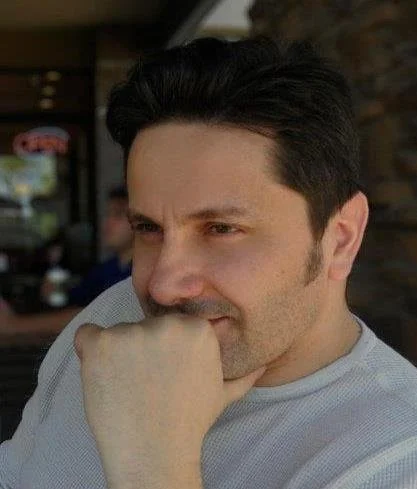
Mircea Goia is a creative and tech entrepreneur exploring where AI meets cinema. With expertise in industry-standard VFX tools (Foundry Nuke, Houdini, Cinema 4D) and emerging AI platforms (ComfyUI, Kling, Runway, Veo), he brings a dual fluency, understanding both traditional filmmaking craft and the generative AI pipeline reshaping it.
A seasoned advisor to five tech startups, Goia has spent years at the intersection of technology and storytelling. He has served as executive and associate producer on multiple films and carries deep production knowledge across compositing, editing, and post-production workflows.

Maulik Majmudar is an art director with a unique blend of technical expertise and creative vision. He brings a dynamic and innovative approach to tech product advertising and marketing campaigns. With a Master of Fine Arts in Visual Effects and a Bachelor of Engineering in Computer Science, he has a deep understanding of both the art and science of visual storytelling.
Having honed his skills in visual effects for film, Majmudar’s passion helps him create eye-catching and impactful advertising that connects with audiences on an emotional level. His ability to navigate complex technical challenges and bring creative ideas to life sets him apart in the industry and has resulted in numerous successful campaigns.
Whether it's developing brand strategies, creating visually stunning advertisements, or managing projects from conception to execution, he seeks new ways to push the boundaries and deliver exceptional work.
For queries about TERRARIUM, contact Adad Joel Warda
at
adadwarda@gmail.com